PRP for Skin Renewal: Honest Timelines and Who Sees Real Results
Platelet-rich plasma (PRP) therapy is often described as a breakthrough in skin rejuvenation, capturing interest from those who want lasting improvements with minimal reliance on synthetic ingredients. At Maro Medical Aesthetics Clinic, clients regularly ask if PRP could be the answer to dullness, early aging, or subtle loss of tone—especially after they’ve tried everything from creams to lasers without full satisfaction. PRP offers a unique approach by using your body’s own growth factors, but knowing who benefits and what kind of results to expect is key.
If you’re considering PRP, it’s important to approach the treatment with honest expectations. Not every skin type responds the same way, and maximum improvement requires both a skilled provider and commitment to a structured plan. Here, we break down the science, the timelines, and the real-world experience so you can make a confident decision.
In This Article:
- How PRP Works to Renew Skin
- Who Is (and Isn’t) an Ideal Candidate?
- What to Expect: Timelines, Results, and Follow-Up
- Frequently Asked Questions
How PRP Works to Renew Skin
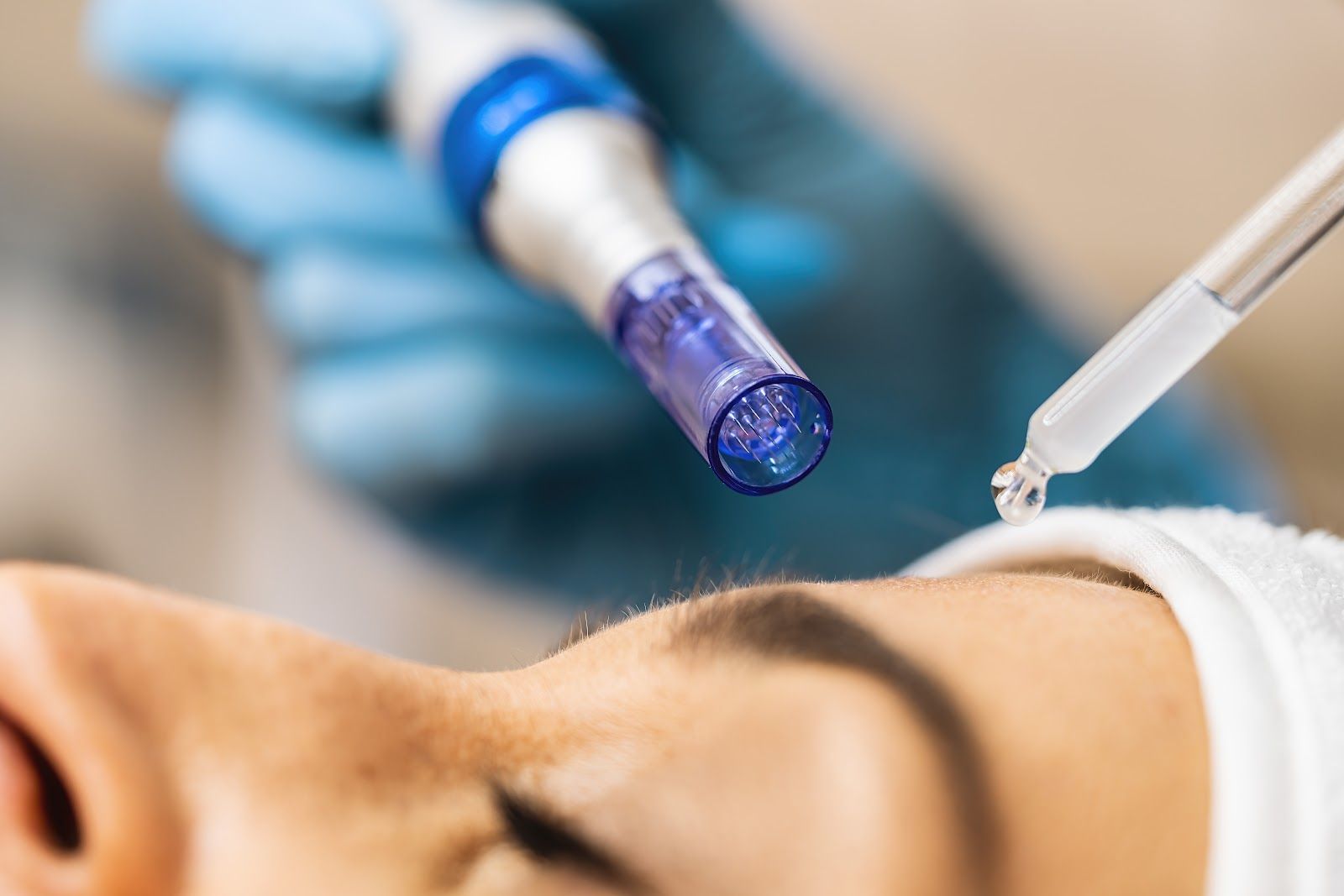
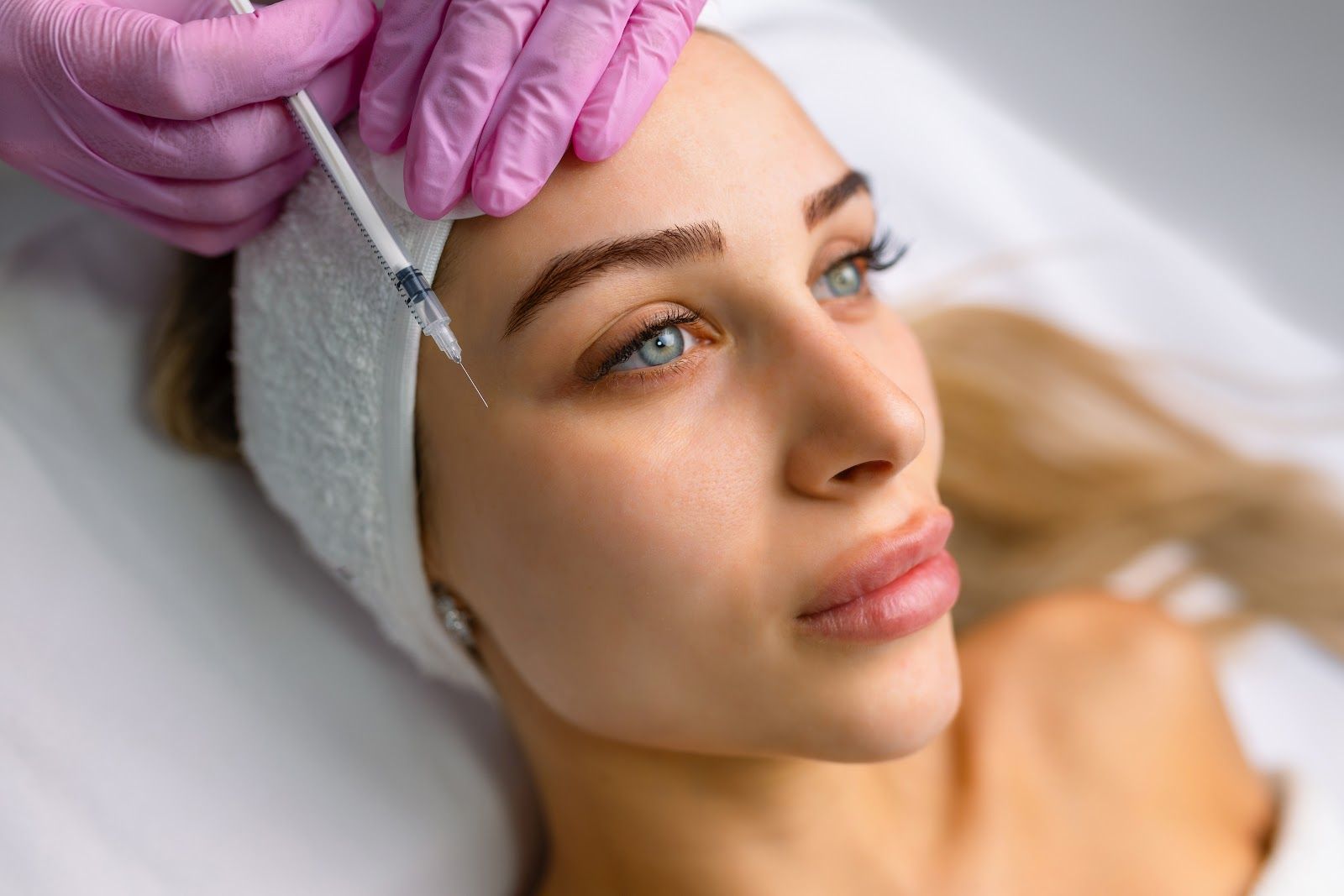
PRP therapy harnesses the natural regenerative abilities already present in your blood. After a small blood draw, the sample is spun in a centrifuge to concentrate platelets—tiny cell fragments packed with growth factors that stimulate repair and collagen production. When carefully injected or applied into the skin, these factors prompt ongoing cellular renewal right where you need it most.
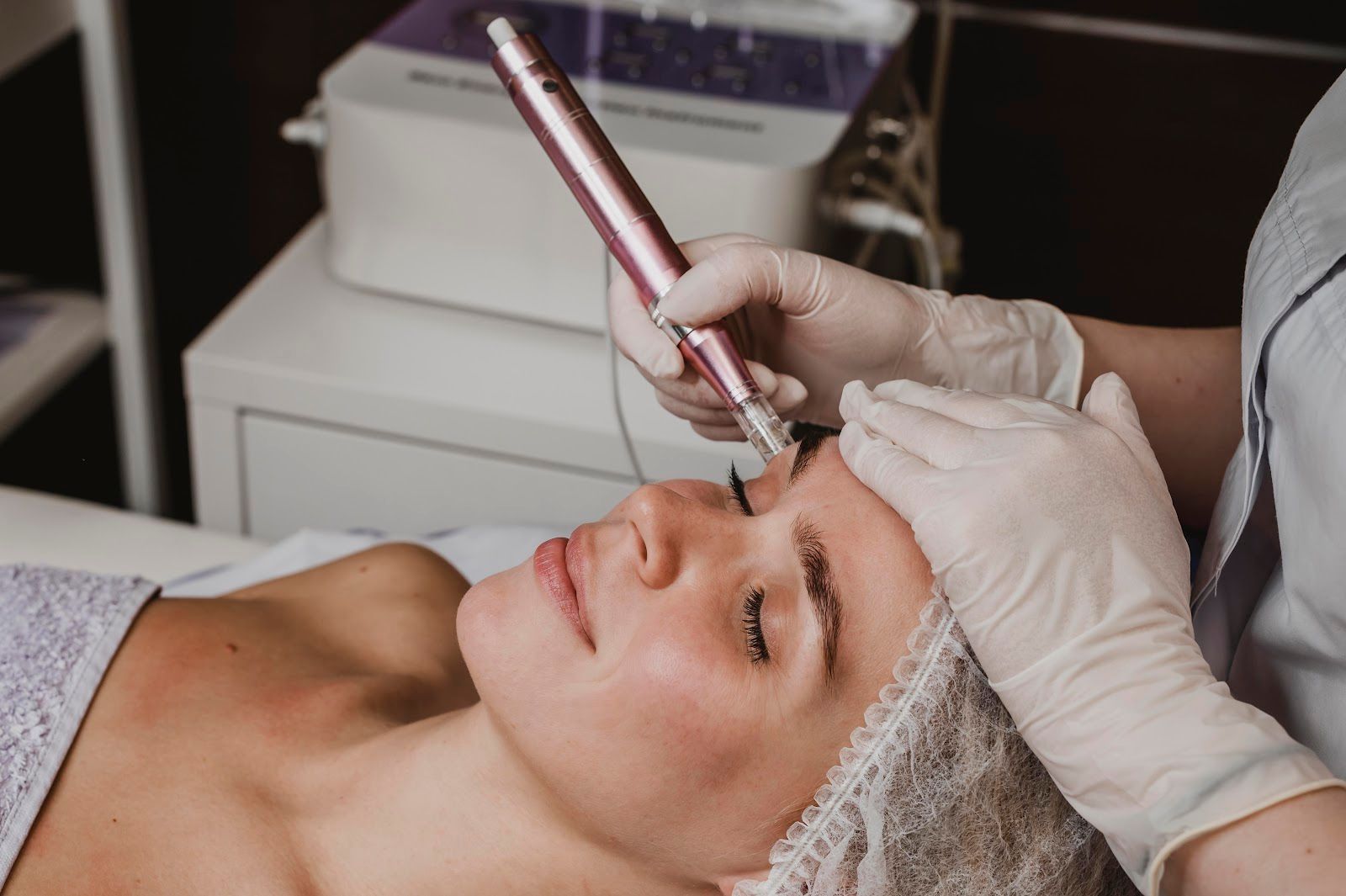
Unlike topical serums or basic microneedling, PRP penetrates the dermal layer, supporting longer-lasting improvements in elasticity, texture, and overall skin vibrancy. It’s particularly appealing to those looking for a science-based treatment that syncs perfectly with your own biology, skipping unfamiliar chemicals or fillers.
Who Is (and Isn’t) an Ideal Candidate?
The ideal PRP client is someone looking for a subtle but noticeable improvement—think better tone, firmer texture, or correction of early thinning or fatigue. PRP is a strong choice for those who want to boost overall radiance, manage mild scarring, or proactively address the first signs of aging. It can also be a valuable add-on to other treatments such as microneedling, doubling down on the body’s ability to recover.
However, expectations matter. PRP is not a substitute for surgical lifting or dramatic volume changes—those outcomes require different procedures. Those with active infection, certain blood disorders, or severe skin disease may not be good candidates. This underscores the importance of a thorough consultation at Maro Medical Aesthetics Clinic, where every client’s history, goals, and risks are carefully evaluated.
What to Expect: Timelines, Results, and Follow-Up
PRP is unique in that it offers gradual, natural-looking enhancement instead of an instant “wow” effect. Most people begin to see brighter tone and early texture improvements in two to three weeks after their first session. Three sessions spaced about a month apart is the most common protocol, after which skin continues to improve for up to three to six months.
Results are determined by factors like age, health, baseline skin quality, and consistency with aftercare. A commitment to sun protection and a gentle, nourishing skincare regimen will help prolong your results. Repeat appointments every six to twelve months can maintain the benefits and keep collagen production steady.
→ From a professional standpoint: PRP rewards patience and consistency, not quick fixes—stick to the schedule and let your provider guide your expectations.
Frequently Asked Questions
How long should I wait between treatments for best results?
The typical interval is three to four weeks between each of the first three sessions, allowing the skin to fully recover and new collagen to form with each cycle. After your series, your provider may recommend touch-ups twice a year depending on your goals and progress.
Will I need downtime after my appointment?
Mild redness and swelling are common immediately after treatment, usually settling within a day or two. Unlike lasers or aggressive peels, PRP rarely causes peeling or extended sensitivity—most people resume normal activities straight away.
Can PRP be combined with other treatments?
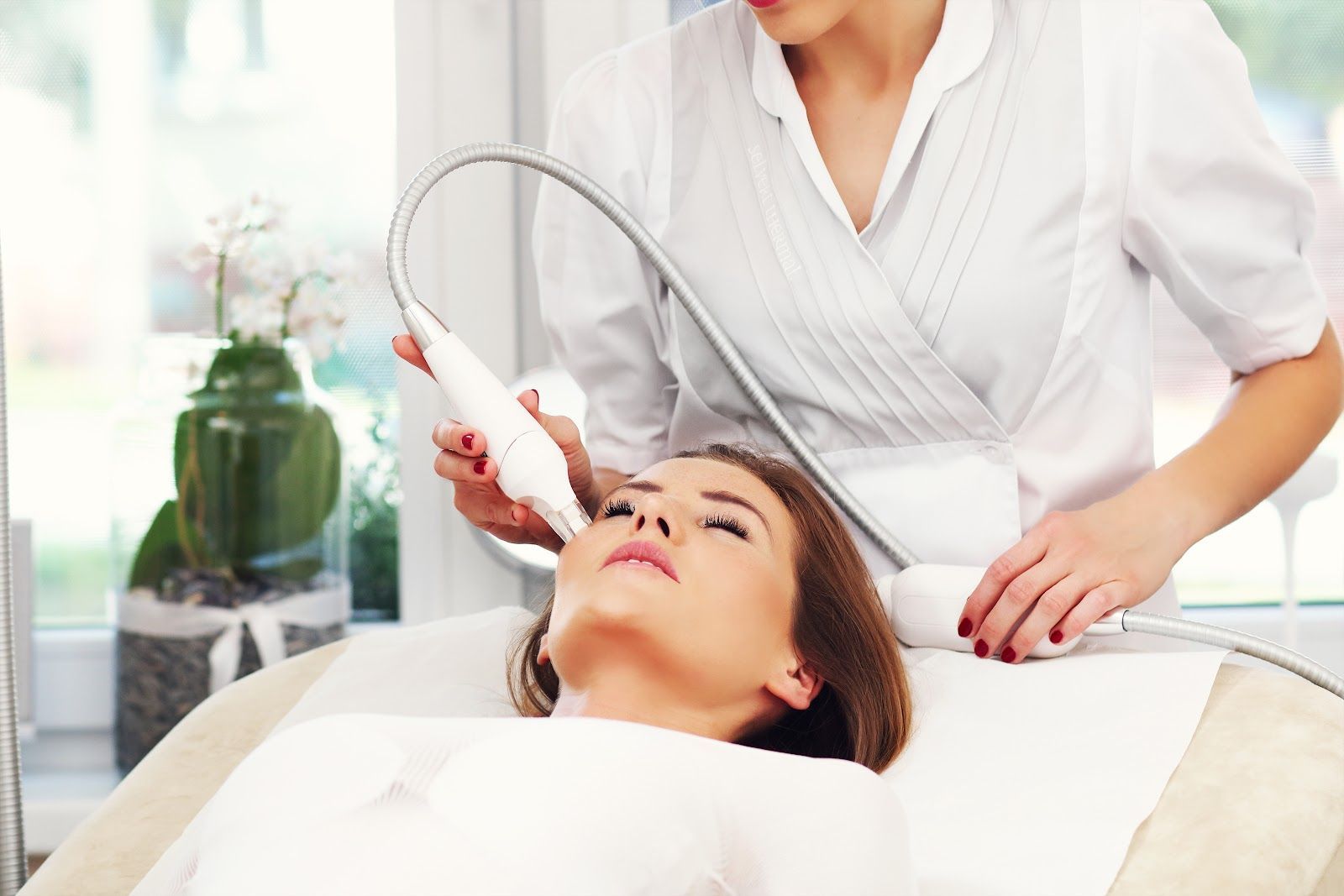
Absolutely. Many clinics, including Maro Medical Aesthetics Clinic, offer PRP as part of a deeper microneedling session or alongside other modalities to target multiple concerns at once. Combination treatments can jump start new results, especially for textural concerns or stubborn areas.
Plan for Your Best Results with Honest Guidance
Choosing PRP is an investment in your skin’s long-term health and radiance—not just a temporary change. When guided by science and carried out by experienced hands, PRP can unlock your natural vibrancy in a realistic, low-risk way. If you’re ready to build a personalized plan for lasting skin renewal, start by consulting a clinical team dedicated to results you can trust.
Share This Blog