Why Acne Scarring Is So Hard to Treat and How Microneedling Can Help
Acne scars can feel like they leave a permanent mark, no matter how well you care for your skin. At Maro Medical Aesthetics Clinic, we often meet clients who have tried countless creams, peels, and at-home remedies only to see minimal improvement. The reality is, these stubborn scars are rooted deeper than most over-the-counter solutions can reach, making them a frustrating and persistent concern for many people.
The good news is that advances in medical aesthetics have changed what’s possible. Skilled treatments like microneedling are now backed by strong science and provide genuine hope for improving scarred, uneven skin. If you have ever wondered why acne scars stick around so stubbornly—and what really works to correct them—today’s approach to microneedling may finally be the solution you’ve been seeking.
In This Article:
- Why Are Acne Scars So Difficult to Treat?
- How Microneedling Works on Scar Tissue
- DIY Pitfalls: Why At-Home Scar Remedies Backfire
- Can Microneedling Get Rid of Deep Acne Scars?
- Confidently Addressing Acne Scars with Professional Guidance
Why Are Acne Scars So Difficult to Treat?
Most people battling acne scars want a quick fix. Unfortunately, bumpy or indented scars run far deeper than the surface. True atrophic scars—such as ice pick, rolling, or boxcar varieties—form when intense inflammation interrupts skin’s normal healing process. Collagen and elastin fibers are damaged, leaving visible depressions or roughness that endure long after acne itself has healed.
Topical treatments, while somewhat helpful for pigmentation, rarely reach the depth necessary to rebuild lost tissue. Even chemical peels and exfoliants only address the outermost skin layers. For deep acne scars, change happens when you actually stimulate the body to lay down new structural proteins—something that standard daily skincare simply cannot accomplish.
→ From a professional standpoint: The main reason acne scars resist improvement is because the tissue loss or distortion lies below the skin’s visible layer.
How Microneedling Works on Scar Tissue
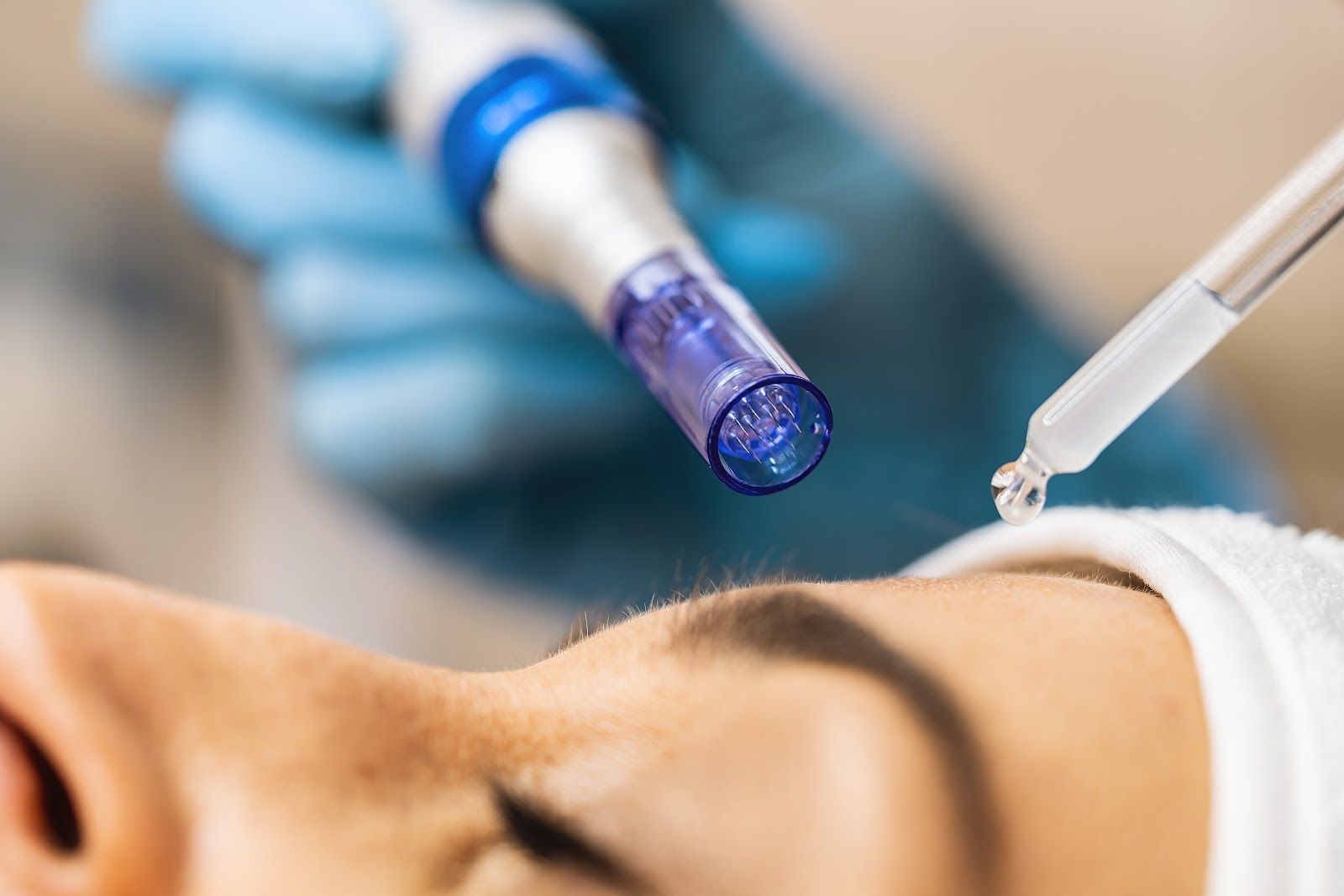
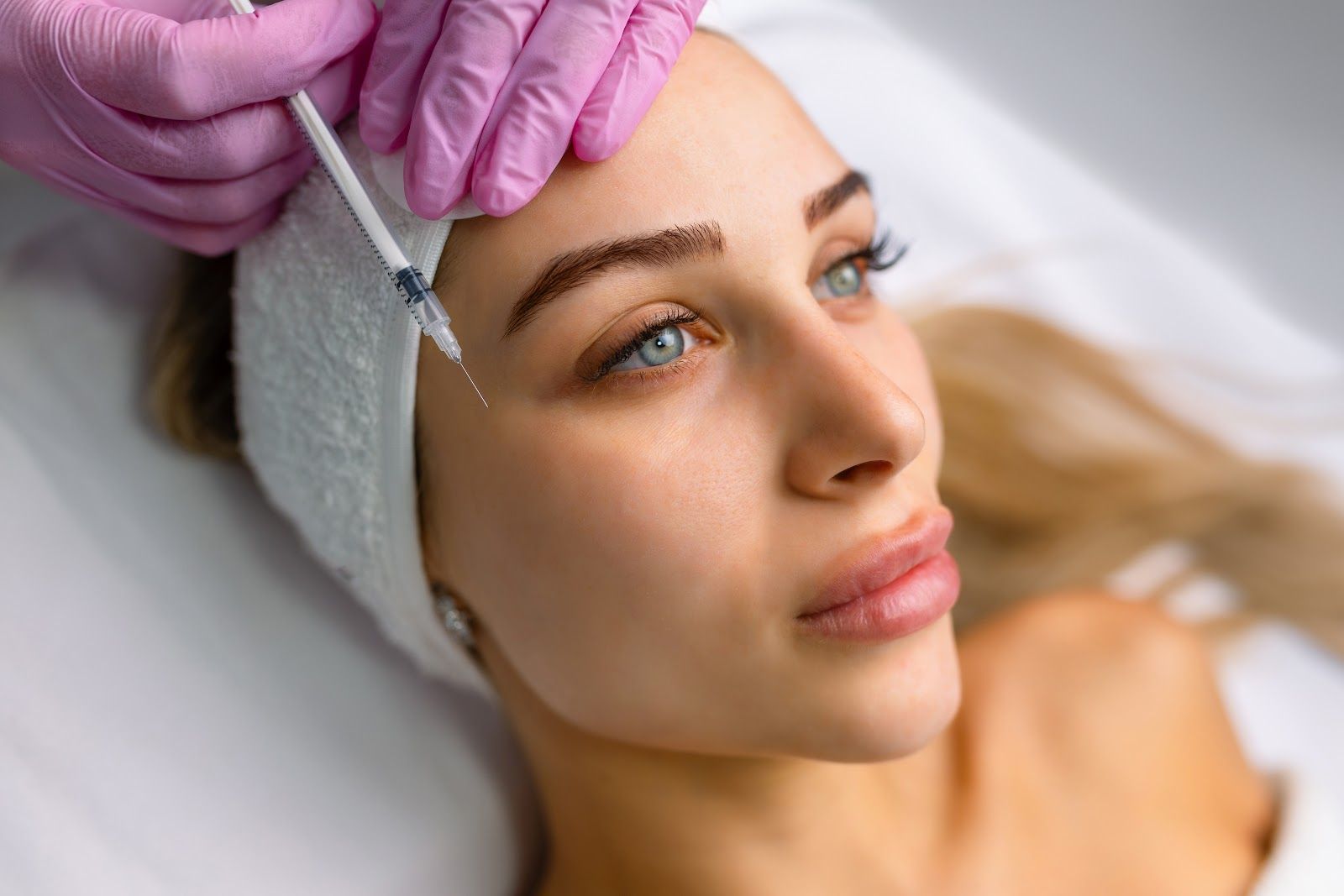
Microneedling, also known as collagen induction therapy, is a clinically proven way to address the source of the problem—not just the symptoms. At Maro Medical Aesthetics Clinic, we use controlled micro-injuries delivered by a pen-like device. These tiny, precisely placed channels prompt your skin’s natural repair cycle, resulting in new collagen and elastin synthesis exactly where damage has occurred.
The brilliance of microneedling is its ability to reach the dermal layer without harming surrounding skin. It triggers a cascade of growth factors that help break up fibrous scar tissue and restore plumpness and smoothness over time. Most clients notice significant improvement in skin texture, tone, and even overall radiance after a series of sessions. For deeper scars or advanced results, microneedling can also be combined with platelet-rich plasma (PRP) to further accelerate tissue healing.
→ A quick tip to remember: Clinical microneedling offers a level of precision and depth that is not possible with simple at-home rollers or serums.
DIY Pitfalls: Why At-Home Scar Remedies Backfire
It’s easy to fall into the trap of thinking that scrubbing, peels, or home microneedle rollers will save time and money. In practice, these well-intentioned attempts can actually make acne scars worse. Home devices lack depth, control, and sterile technique, often leading to surface irritation or even new injuries. Over-exfoliation, meanwhile, inflames already fragile skin, sometimes fading pigment but never truly rebuilding lost tissue in scarred areas.
Clients often ask if trendy social media hacks or viral gadget claims can deliver smoother skin. Experience shows the answer is no—and sometimes, DIY approaches cause setbacks that require bigger interventions to correct.
→ From a professional standpoint: Treating acne scars is a job for trained clinicians. Attempting to self-treat deep scars at home often leads to more harm than good.
Can Microneedling Get Rid of Deep Acne Scars?
One of the most frequent questions we hear is: Can microneedling get rid of deep acne scars completely? The answer is rooted in honest medical experience. While microneedling does not erase scars overnight, it can dramatically improve their appearance over a structured series of treatments performed by experienced professionals. Deep, stubborn scars become shallower, smoother, and far less noticeable, even if a small trace sometimes remains.
The key is a customized approach based on the scar’s type and your unique skin biology. Results build gradually—new collagen takes several weeks to fully mature. This is a pattern the team at Maro Medical Aesthetics Clinic hears regularly from clients who stick with their treatment plan:
► Client Experience: I’m loving my results from microneedling at Maro medical aesthetics! The team is professional knowledgeable, and made the experience really comfortable. Highly recommend!
Feedback like this underlines why expertise, patience, and a thoughtful treatment plan are crucial to addressing stubborn scarring.
Make Peace with the Skin You’re In
Achieving clear, confident skin after acne doesn’t have to be a distant hope. Today’s science, combined with careful expertise, means there are real answers for long-standing scars. If you’re ready to see personalized, professional change, now is the time to consult with an experienced team that puts your comfort and outcomes first.
Start your confident skin journey with a trusted partner who can guide you toward smoother, more radiant skin—one session at a time.
Share This Blog